
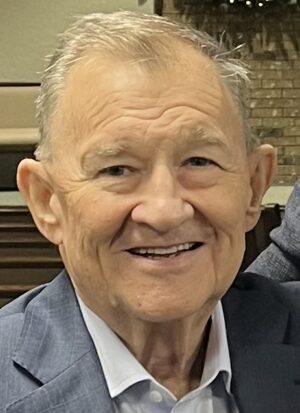
 by Grady D. King
 You already know this: ministry is all-consuming. There is always a need, expectation, and at times, self-imposed pressure to respond—to do something to make a difference. Most church members only see the public you, but you know the mental and emotional energy it takes beyond the assemblies. In short, ministry seeps into every pore of your being. Do you find it difficult to relax because of daily pressures? You know, shutting off your mind about leading and caring for the people. On top of this are the meetings, conversations, and group dynamics. It can be exhausting, even when you love what you do and experience God’s calling. Whether leading in seasons of congregational growth or decline, self-care is not selfish; it is essential. You are a leader for a reason, so keeping your bucket filled to overflowing is essential.
A couple of years ago, my tendency to over-schedule, coupled with being overweight and dealing with some demanding situations, took its toll. I got COVID while traveling on a consulting trip, but did not rest enough and kept on pushing. I ended up in the hospital and with aspiration pneumonia, sepsis, kidney, and liver issues. I almost died, spent six months in the hospital, and lost 75 pounds. I am much better now, waiting for a kidney transplant and doing home dialysis four times a week. What I do know is that in many ways, I set myself up by ignoring self-care. All the while, continuing to preach, consult, lead, and be responsible. Or, should I say, over-responsible. My spiritual rhythms were about preparing to serve with a little for myself. I learned the hard way. So, I share, humbled and blessed to be alive by the grace of God.
Practical Rhythms for Leading from Overflow
PREVENTIVE RHYTHMS
- Food, Exercise, and Rest
Bodily discipline is about stewardship—managing your own temple of the Holy Spirit. This should be obvious; too many ministers have poor eating habits, little exercise, and insufficient rest. For me, I always tended to eat when stressed, too much, and the wrong things. Exercise and rest are non-negotiable, along with moderation in food consumption. Hiding behind “I am too busy” will take its toll. Sabbath matters: the kind of sabbath that fosters resting in being, not doing. This includes a sabbath from technology—phone and computer. - Fun, Hobbies, and Spirit
These three are at their core about freedom and joy. Doing something fun, taking time for a hobby releases anxiety and keeps your spirit lighthearted. People know when our spirit is free and when it is not. - Listen to Your Spouse.
Our spouses know us well and listening to their concerns, input, and at times, warnings is crucial. After 46 years of marriage, I have learned that my wife’s insights into my personality, habits, and way of doing ministry are helpful. In addition, their concerns keep us attentive to family, including boundaries, days off….
PROACTIVE RHYTHMS
- Devote Daily Time with Jesus in the Gospels.
Reflective reading in the ministry of Jesus orders and renews your mind and spirit. It calls us to practice the way of Jesus as well. Consider Mark’s gospel for the balance between the mountain (time with God) and the marketplace (time with people). - Practice the 65/35 Principle
Spend 65% of your time ministering from your giftedness and 35% on things required of the job because you are a servant. When this percentage is reversed, energy and joy are diminished. - Identify the Compass People in Your Life
A compass person is someone whom you deeply respect and trust to speak into your life. You have to invite them to be a compass person. These are people who can point you back north, tell you the truth, encourage you, and pray with you. It may be about your preaching: content, delivery, spirit, etc. Or, it could be what they are hearing around the congregation about you and your ministry. I recommend inviting two or three compass people. - Invest in Peer Mentoring
Hang out with other ministers to share needs, resources and wisdom. - Seek a Ministry/Leadership Coach
Coaching is about having a safe place to share honestly, receive feedback, struggle with questions, and grow. It is being a lifelong learner.
These are a few things that contribute to leading from overflow, not exhaustion. I am glad to share additional resources or simply listen. Contact me at grady@hopenetworkministries.org. You matter. Your ministry matters. “Since it is by God’s mercy that we are engaged in this ministry, we do not lose heart (2 Cor 4.1).
About the Author
Grady serves as President of HOPE Network (HN). His ministry life spans fifty years with forty years in congregational ministry in Churches of Christ in Oklahoma and Texas. While with HN he served six years as director of church resources at Oklahoma Christian.
His formal education includes degrees from Oklahoma Christian University (Bachelor of Science in Education); Abilene Christian University (Master of Science and Doctor of Ministry). His ministry passion is healthy leaders, healthy churches rooted in the gospel and missional life.
He and his wife, Karen live in Irving, TX, and are members of the Mansfield Church of Christ. They have two grown children and three grandchildren: Josh, Carolyn, and Madeline King; Chad, Christin, Sawyer, and Hudson Paradowski.
He enjoys reading, writing, sports, playing with grandchildren, and anything helpful for church leaders.
Leave a Reply