 by Chris Goldman
 There’s a common assumption in church culture: small churches are naturally better at participation. There’s some truth to it — smaller congregations often depend on everyone pitching in just to keep things running. But participation isn’t a small-church virtue. It’s a human one. Every congregation, regardless of size, needs to be intentional about creating space for people to show up, contribute, and connect.
Our congregation runs around 400 on Sunday mornings. From homemade scones to Sunday school teachers to our tech crew, dozens of people find ways to be meaningfully involved each week. Over time, I’ve learned that participation doesn’t just happen — it’s cultivated. And here’s what I’ve learned over time: people want purpose, and participation provides exactly that. Here are four practices from our context that have made a real difference.
Morning Prayers
Our elders host a prayer gathering before the service to lift up the people, the events of the day, and whatever needs are brought to the table. The group can be as few as five or as many as twenty. It makes for a long day. But prayer is priority — and when leaders model that, it sets the tone for everything that follows.
The Early Morning Crew
Long before the first song is sung, a team of volunteers is already at work — baking scones, prepping communion, brewing coffee, setting up worship and tech. What strikes me is how many people on this crew will tell you it’s one of the highlights of their week. What looks like logistics from the outside has become, for many, a source of deep relationship and meaningful service. Don’t underestimate the power of early-morning faithfulness.
The Public Reading of Scripture
About six times a year, we set up two floor mics at the front and invite anyone to come forward and read Scripture on a specific theme. We ask readers not to cite the reference or translation — just let the words fill the room. If someone speaks multiple languages, we encourage them to bless us in all of them.
The results are consistently powerful. Young and old participate. Readings run anywhere from six to twenty minutes depending on the theme. Pro tip: Have four readers ready to go at the start to build momentum, and keep a facilitator upfront to navigate any awkward moments. It’s one of the most Spirit-filled things we do.
Communion at Stations
Rather than passing the plates, we take a corporate moment of reflection and prayer, then invite the congregation to receive communion at stations hosted by our Elders and their spouses. It’s become a meaningful way for Elders to meet people, pray with them, and build relationships over time. People will often pray over communion in small groups, adding a smaller community component to this vital Christian practice. And here’s what we didn’t expect: it’s actually faster than passing the plates.
—
About the Author:
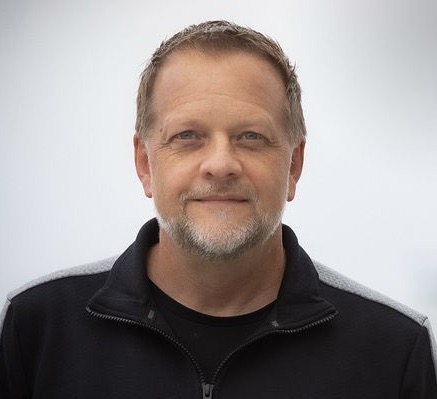
Chris Goldman serves as Lead Pastor for Northwest Church in the Seattle area—a congregation with approximately 450 members, eight ministry staff positions, and 14 elders. The Puget Sound region is distinguished by its concentration of high-tech industries (Microsoft), manufacturing giants (Boeing), major retail players (Costco, Amazon, Nordstrom), and prominent service sector organizations (Starbucks).
Leave a Reply