
 by Dana Welty
 How do we talk about volunteering in a culture so completely different from the one the original writers of scripture addressed? Did the first-century church have teens needing community service hours? Was there an apostle who guilted them into teaching the children because there were not enough teachers for Sunday School in the catacombs? We know that they used the gifts they had with joy. 1 Peter 4:10 Each of you should use whatever gift you have received to serve others, as faithful stewards of God’s grace in its various forms.
Accomplishing any church pursuit of relationship and community requires a number of people. We rely on the willingness of our members to help us bring spiritual kinds of experiences to all members. We have job descriptions, whether recorded or verbalized, for what is needed. Straight out of college, I was a district executive for the American Cancer Society, and my job was to accomplish fundraising and education goals in twelve Tennessee counties through the work of volunteers. The man who trained me told me to always stop by and check in on the volunteers, even if I didn’t really have a specific deadline. “Volunteers like to know that you see what they are doing and acknowledge it.”
Notice people. Think about how the interactions of particular people might serve the experiences you are trying to provide. Pray, discern, and then begin to make a connection. Take them out to lunch with no ask. Sit at the table. Jesus knew what people were capable of because he sat and talked to them. His asks of them were wrapped in conversations and time at the table. When you’re ready, ask them face-to-face. Show them with your face and your voice the confidence you have in their abilities. You may be able to affirm them with this personal contact more than they do themselves.
Provide necessary tools. I have volunteered many times to teach children. One of my best experiences was when the lessons and props were provided, and I could easily ask for additional items without having to go out and get them myself.
One of the most affirming things you can provide is good communication about the plan. If volunteers are going to add something extra to their schedule, they need to know dates and times well in advance in order to prepare adequately. They also need to know what will be expected of them. As an affirmer, the greatest gift of respect you can give them is to promptly provide them with detailed information. Colossians 3:17-If we are asking them to do things “as unto the Lord,” we owe it to them to give them complete communication, then trust them to make good decisions.
Celebrating looks different. In a slower-paced world, we historically had appreciation banquets to thank volunteers. Now, we often mass-produce a thank you item, like a tote bag, and pass it out without any personal interaction. I have even seen big plans that were never executed, while volunteers wondered if anyone noticed their hard work. After being in a minister’s family through childhood and now marriage, here are a few of my personal greatest appreciation hits.
- A handwritten card in this era of digital interaction is a rare jewel.
- An easy way to connect and say thank you is to invite a small number of volunteers into a church space or into your home.
- Help children create things for the volunteers. There’s nothing like a handmade gift from a child.
It’s the simple things. Empower, affirm, and appreciate your volunteers with great joy for their generous spirit and willingness to use their gifts for others.
About the Author
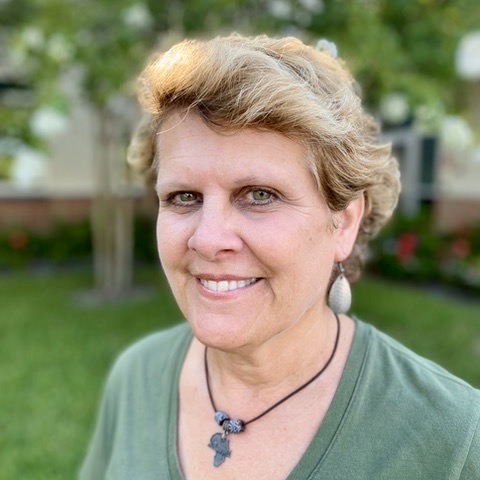
Dana Welty is a seasoned educator and currently teaches Kindergarten in St. Petersburg, Florida. She spends her days being the Pied Piper, leading her students to the amazing things in the world that God has created and transformed, while building a strong academic foundation for their transformation as well. She has been a part of a minister’s family throughout childhood and by marriage. Dana earned her B.A. in communication with an emphasis in theatre and her Master’s degree in education from Freed-Hardeman University.
Leave a Reply