
 by Becky Almanza
Featuring reflections from Emily Van Dyke, Abilene Christian University
How serving at a food pantry shaped one young adult’s understanding of faith, leadership, and community
 How do we help young adults develop a deeper understanding of faith, service, and leadership? Sometimes, the most meaningful lessons happen outside the classroom or church building, through everyday opportunities to serve others.
As a minister, I often consider how to make a meaningful difference in the lives of young adults. They need more than a place on a church membership roll. They need authentic relationships, encouragement, and opportunities to reflect on their experiences as they grow in faith and discover their calling.
One way I mentor young adults is by encouraging reflective writing. Taking time to examine our experiences, thoughts, and emotions helps us recognize how God is working in our lives and what He may be teaching us along the way.
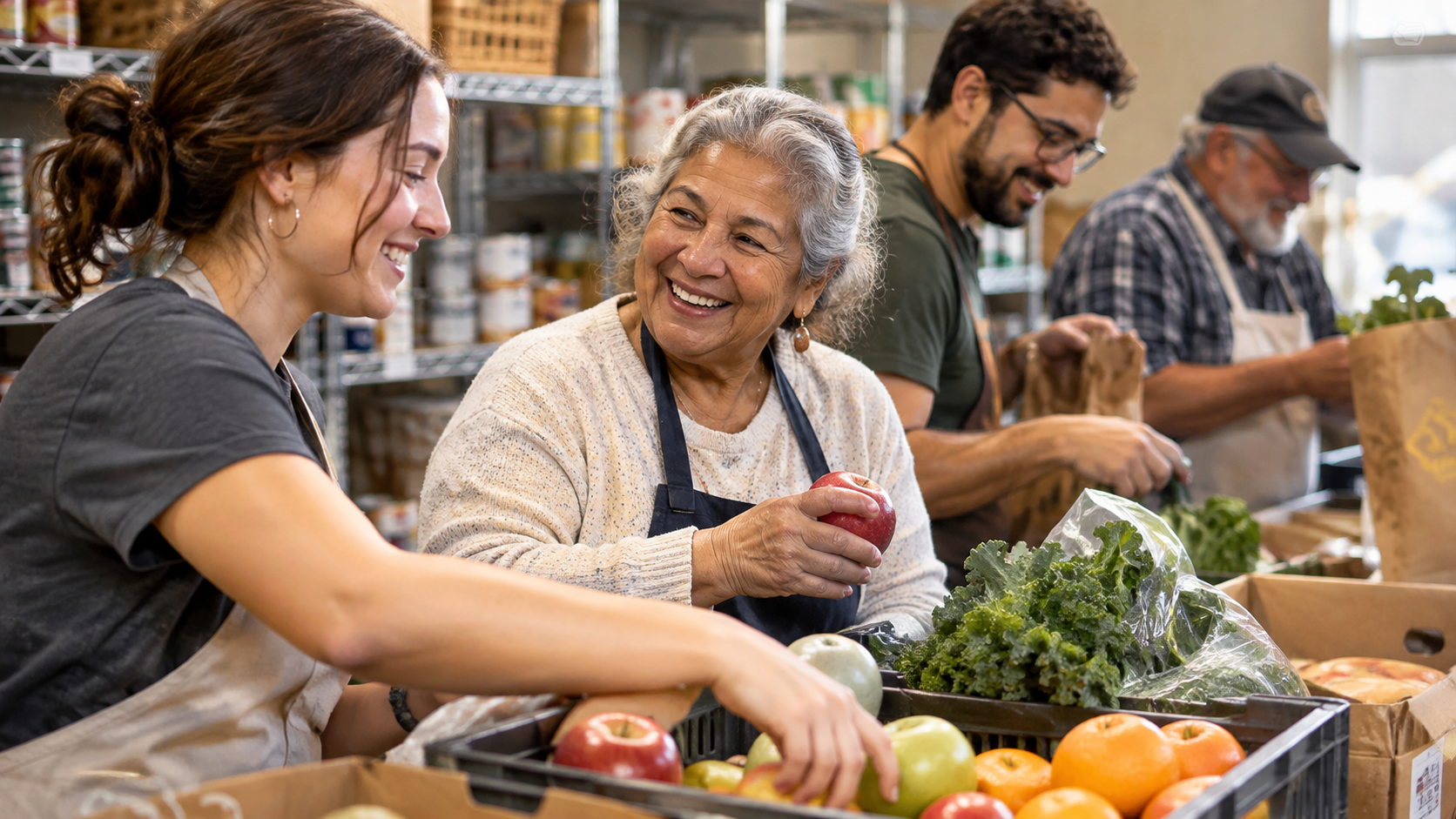
Emily Van Dyke, a student at Abilene Christian University, experienced this firsthand while serving at the Highland Food Pantry in Abilene, Texas.
Sponsored by Highland Church of Christ, the pantry has served the community since 1986. As a USDA self-choice food pantry, it allows neighbors to select their own groceries, offering not only practical assistance but also dignity and respect.
Throughout her summer of service, Emily discovered that the ministry of the pantry extended far beyond providing food.
“We are all part of the same mission: serving one another,” she reflected. “It’s a place where people can talk, connect, and be heard.”
As Emily built relationships with those visiting the pantry, she began to see beyond their immediate circumstances. Each person had a story, wisdom to share, and the same desire for connection and belonging that we all experience.
Her time at the pantry also challenged some of her assumptions about poverty, community, and the church. She wrestled with difficult questions about whether the people she was serving would feel equally welcomed in her own congregation. Those uncomfortable realizations became opportunities for spiritual growth.
Some days were especially difficult. When the pantry ran low on food, volunteers had to turn people away. Emily witnessed firsthand the overwhelming needs within her community and the limitations of even the most dedicated ministries.
Yet she also experienced moments of profound encouragement.
While helping a fellow volunteer, Mr. Joe, weed and harvest vegetables from the pantry garden, she heard words that stayed with her:
“God is where His children are, and He has a special love for His underprivileged and struggling children.”
Emily began to recognize God’s presence in a new way. Through conversations, shared work, and simple acts of kindness, she discovered that serving others was drawing her closer to her Heavenly Father.
Her reflections also led her to reconsider what it means to live a meaningful life. While reading Living Life Backward, a book exploring the wisdom of Ecclesiastes, she was reminded that every moment is a gift from God.
“Serving at the pantry is transformed when I recognize that I can love God by loving my neighbor,” she wrote.
Perhaps one of Emily’s most significant discoveries concerned leadership itself.
She observed that effective leaders adapt to unexpected circumstances, prepare others to serve, and willingly share responsibility. Rather than measuring success by personal accomplishments or recognition, good leaders equip others to contribute to a shared mission.
As Emily reflected on her summer, she arrived at a simple but powerful conclusion:
“I no longer need to worry about how people remember what I have accomplished. Instead, I need to focus each day on doing something good for someone else. Loving my neighbor is the end goal, and it does not have to be more than that.”
Emily’s experience offers a meaningful reminder for all of us who serve in ministry and leadership.Sometimes our greatest influence comes not through the programs we develop or the accomplishments we achieve, but through the relationships we nurture, the people we equip, and the love we demonstrate.
When we create opportunities for young adults to serve, reflect, ask difficult questions, and grow, we do more than prepare future leaders. We help them discover what it means to follow Jesus today.
And sometimes, in the process of helping others grow, we are reminded of a foundational truth ourselves: We love God by loving our neighbors.
Leave a Reply